Choose the obstacle, then the format
Ask where students get stuck after watching a lesson. If they understand the concept but do not practise, make a workbook. If they forget a sequence, make a reference guide. If they arrive unprepared, make a prerequisite primer. These are editorial ideas to test with your audience, not search-volume or sales forecasts.
Eight starting points
- A prerequisite primer: the vocabulary and basic skills a learner needs before lesson one.
- A one-module workbook: one worked example and one independent exercise per lesson.
- A practice calendar: small tasks that help learners return to the course over two weeks.
- A troubleshooting guide: common wrong results, likely causes and a next check.
- A project companion: milestones, checkpoints and a final self-review for one course project.
- A reference handbook: concise explanations of the procedures students repeatedly look up.
- A case-study reader: rights-cleared examples with commentary on the decisions behind them.
- A reflection journal: prompts that help learners explain what changed and what they will try next.
Example outline: a one-module workbook
This is an illustrative plan you can adapt, not a claim that this exact book has been generated. Start with the learner's prerequisites, follow with a complete worked example, then add a guided exercise, an independent challenge and a review rubric. Keep the rubric specific enough for learners to spot their own mistakes.
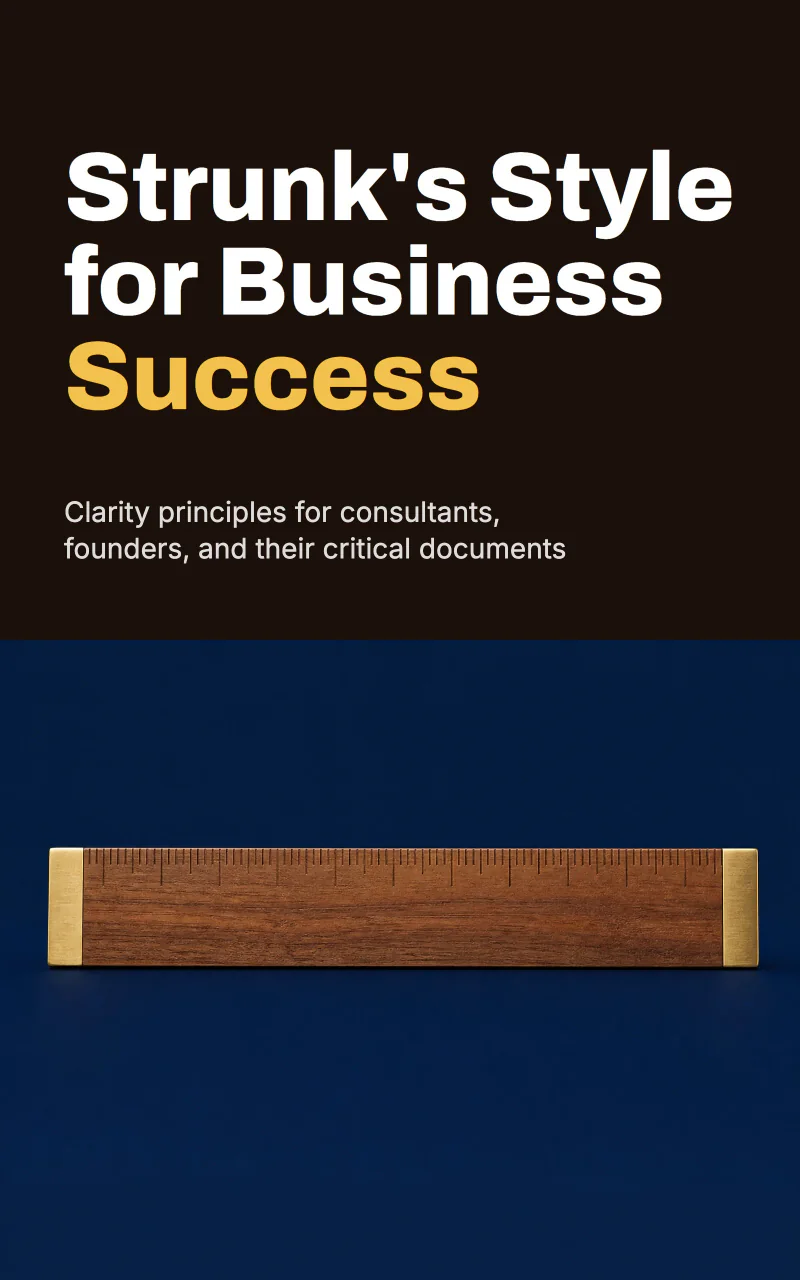
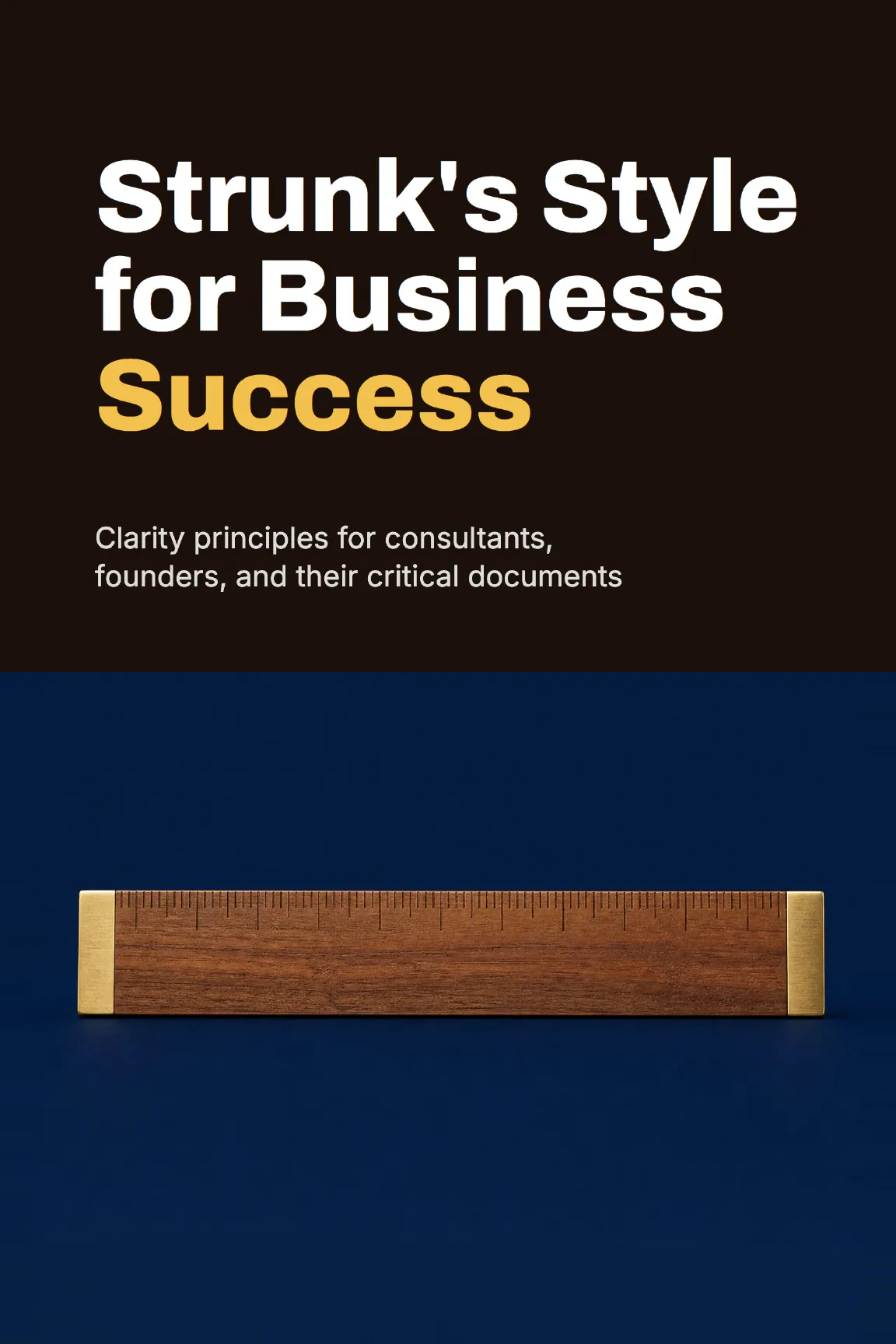
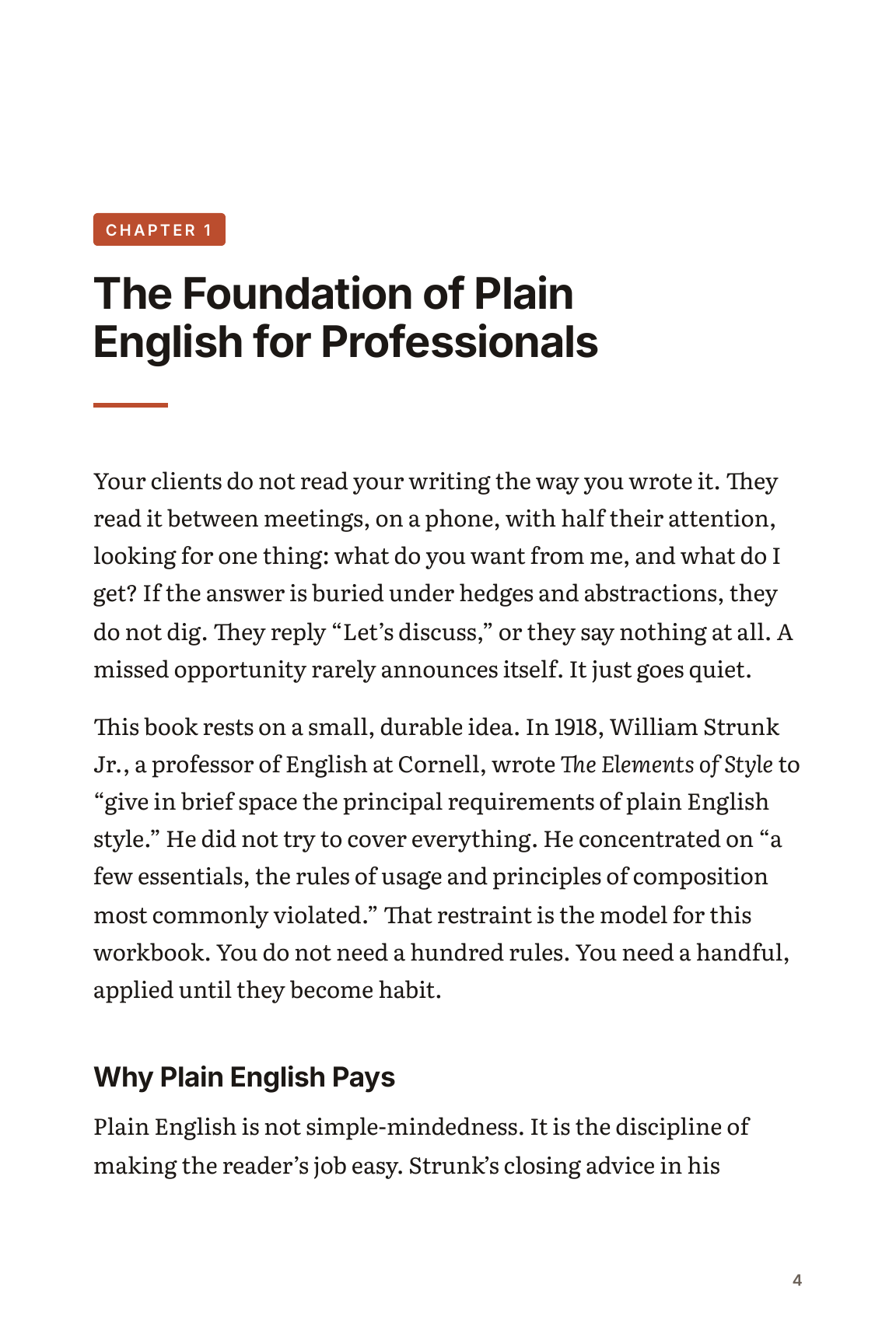
The Strunk workbook below is a real source-to-workbook output. Inspect its outline, exercises and answer appendix for the workflow; it is not evidence of results from a course business.
Validate with a small group
Ask a few learners to complete one chapter without assistance. Note where instructions need explanation. Revise that chapter before generating an entire companion series. Use your own lesson notes and examples so the result expresses how you actually teach.