Lead Magnet Ideas for Fitness Coaches
Fourteen ideas for a free PDF that shows prospects how you coach, grouped by format. Each says who it can suit and what you probably already have to build it from.
By Shri and Sarath · 6 min read · Updated 11 October 2026

A coach's lead magnet has a simple job: let a stranger sample how you think before they pay you. The best starting point is usually material you already wrote for clients, not a blank page.
Nothing below is a ranking or a promise about results. These are candidates to test with your own audience. Pick the one that sits closest to what you sell, and keep the promise narrow and modest. For the general method, see how to make a lead magnet and the broader list of lead magnet ideas.
Plans and templates
- A sample week. One week of sessions for one clearly named person, such as a busy parent training three days a week. Can suit online programming coaches. Build it from a real week of a client programme, with names removed.
- A session template. A blank logging page with a short note on how you use it. Worth trying if you sell programming and want prospects to see your structure. Build it from the sheet your clients already use.
- A warm-up and mobility routine. A short routine you teach at the start of sessions. Can suit in-person coaches. Build it from your session plans and any cue cards you hand out.
- A home or travel option. A version of your approach for a hotel room or a small home setup. Can suit coaches with busy clients. Build it from the swaps you already suggest when someone can't get to a gym.
Checklists and self-assessments
- A first-session checklist. What to bring, what to expect and the questions you will ask. A good fit for in-person or hybrid coaches, because it removes unknowns before a trial. Build it from your intake form and the welcome email you send.
- A habit tracker with notes. A printable page for a simple routine you already teach, with space to write what got in the way. Can suit habit and accountability coaches. Build it from your client check-in template.
- A form-cue card. Three or four cues per lift you coach, written the way you say them in sessions. Worth trying if you invite video check-ins. Build it from your session notes and voice-note feedback, transcribed.
- A self-review page. Prompts that help a reader describe where they are now and what they want from coaching. Build it from your consultation questions.
Short guides
- The questions to ask before hiring a coach. An honest checklist a prospect can use on any coach, including you. Can suit coaches who stand out on transparency. Build it from the questions prospects ask on discovery calls.
- Your FAQ as a guide. The twenty questions you answer again and again, answered properly. A sensible default if you already keep a client FAQ. Build it from that FAQ and your saved messages.
- A guide for one situation. For example, getting back into training after time away, or fitting sessions around a shift pattern. Pick a group you already work with. Build it from your onboarding notes for that group, and suggest readers check with a qualified professional if they have any concerns about starting.
Meal and routine ideas
- A weekly planning page. A plain template for planning meals and sessions in the same week. Can suit coaches who work on routine rather than diets. Build it from your own planning notes, and keep it general.
- A shopping and prep list. A list of staples and a prep order you actually use. Worth trying if clients ask what you cook. Build it from your own recipes and client questions.
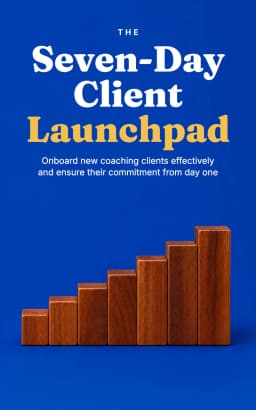
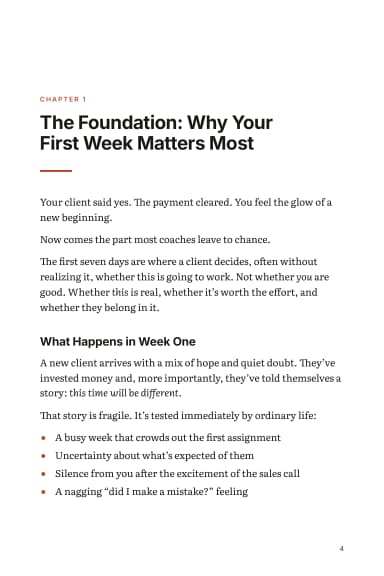
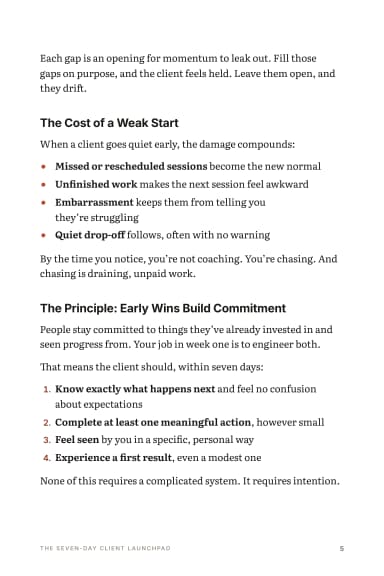
Here is a real lead magnet written by SuperEbook from a one-line idea, unedited, to show the format:
For: Grow my email list
Lead Magnet · 27 pages
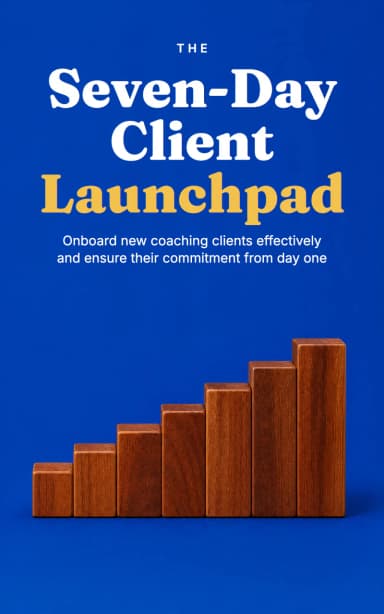
The Seven-Day Client Launchpad
From a one-line idea: A first-week plan for new coaching clients: what to send, ask and set up in the first seven days so they show up, do the work and stay
Written by Claude Sonnet 5.5 in 2.3 minutes, unedited · 3,751 words · 25 credits to write
How to choose
Three questions, in this order. What do you sell next: programming, a check-in service or in-person sessions? What do you already have written down? And what would a stranger need to see to feel they could trust you?
Client programmes
- Try building
- A sample week, a session template
An intake form and welcome email
- Try building
- A first-session checklist, a self-review page
A client FAQ or saved messages
- Try building
- Your FAQ as a guide, the questions to ask before hiring a coach
Voice notes or video feedback
- Try building
- A form-cue card (transcribe it first)
Meal planning notes
- Try building
- A weekly planning page, a shopping and prep list
A note on wording
Wording matters here. Describe what you do and how you coach rather than what a reader will achieve, and keep medical or health advice out of a free PDF. As general prudence, suggest readers check with a qualified professional before starting, and check your local advertising and licensing rules before publishing anything.
Make one with SuperEbook
Planning is free: you get three title options, a brief and an editable chapter outline, and nothing is written until you press Write. Upload your notes as TXT, Markdown, PDF or DOCX (text only, so transcribe recordings first). Each chapter is written from the passages of your material that fit it. SuperEbook does not show which passage produced which paragraph, so read every chapter before you send it anywhere.
A lead magnet costs 25 credits, and the 50 free credits a new account starts with cover ≈ 2 lead magnets or 1 how-to guide. You can export PDF, EPUB or DOCX with a cover you choose, and you have full commercial rights to what you make. Downloads need a paid plan, or a credit pack bought from the book's page. SuperEbook does not build quizzes, landing pages or email sequences, so you will need your own tools to deliver the PDF.
Before you publish
- Write your next paid offer in one line.
- Pick one idea that leads to it and that you already have notes for.
- Add a specific reader and moment to the title.
- Remove client names and details from anything you reuse.
- Read every chapter and delete anything that reads as a promise of results.
- Check your local advertising and licensing rules.
- Ask three prospects whether they would open it today.
Write it from your own material.
Plan a book free and see the outline before you spend a credit.
Try SuperEbook free